
Lighting a candle is supposed to be relaxing. Whether you use candles to create a cozy atmosphere, freshen a room, or simply unwind after a long day, you expect the wax to melt evenly across the surface. But sometimes a candle burns straight down the middle, leaving a thick ring of unused wax around the edges. This issue is known as candle tunneling, and it is one of the most common problems candle owners face.
The good news is that a tunneled candle does not necessarily need to be thrown away. In many cases, the problem can be corrected with a few simple techniques. Once you understand what causes tunneling and how to address it, you can extend the life of your candle and enjoy a more consistent burn. This guide explains the most effective ways to fix the problem and shares practical tips to help prevent it from happening again.
Candle tunneling happens when a candle burns down the middle instead of melting evenly across the entire surface. As the flame continues to burn, it creates a deep hole around the wick while the wax along the edges stays solid and untouched.
At first, it may not seem like a serious issue. But over time, more wax gets trapped around the sides and never melts properly. This can shorten the life of the candle and make the fragrance feel weaker because less wax is being warmed and released into the air.
Many people think the candle is of poor quality when this happens, but that’s not always the case. In many situations, tunneling is caused by burning habits rather than the candle itself. The good news is that it can usually be fixed, and with a few simple changes, it can often be avoided in the future.
If you enjoy candles regularly or often shop scented candles, a little extra care can go a long way. Simple habits like allowing a full melt pool, trimming the wick, and avoiding drafts can help your candles burn cleaner, last longer, and make better use of the wax.

Many candle owners wonder why candles tunnel, especially when they are using a candle from a reputable brand. The most common reason is an incomplete first burn. During the first use, the melted wax should reach the edges of the container before the candle is extinguished. If the candle is blown out too early, it creates a memory ring that future burns often follow.
Poor wicking is another factor that causes candles to tunnel. If the wick is not suitable for the size of the candle, then the wick will not burn hot enough to make the wax melt evenly. The presence of drafts can also hinder this process.
The habits of burning are yet another factor in creating tunnels in candles. Constantly lighting a candle for a shorter duration means the candle wax will not have enough time to melt. Eventually, this behavior results in the creation of a tunnel in the candle.
A tunneled candle does not always need to be replaced. In many cases, a few simple adjustments can help restore an even burn and allow you to use more of the remaining wax. The right solution depends on how deep the tunnel is, but most methods can be done with items you already have at home. Below are some practical ways to fix candle tunneling and get your candle burning more evenly again.
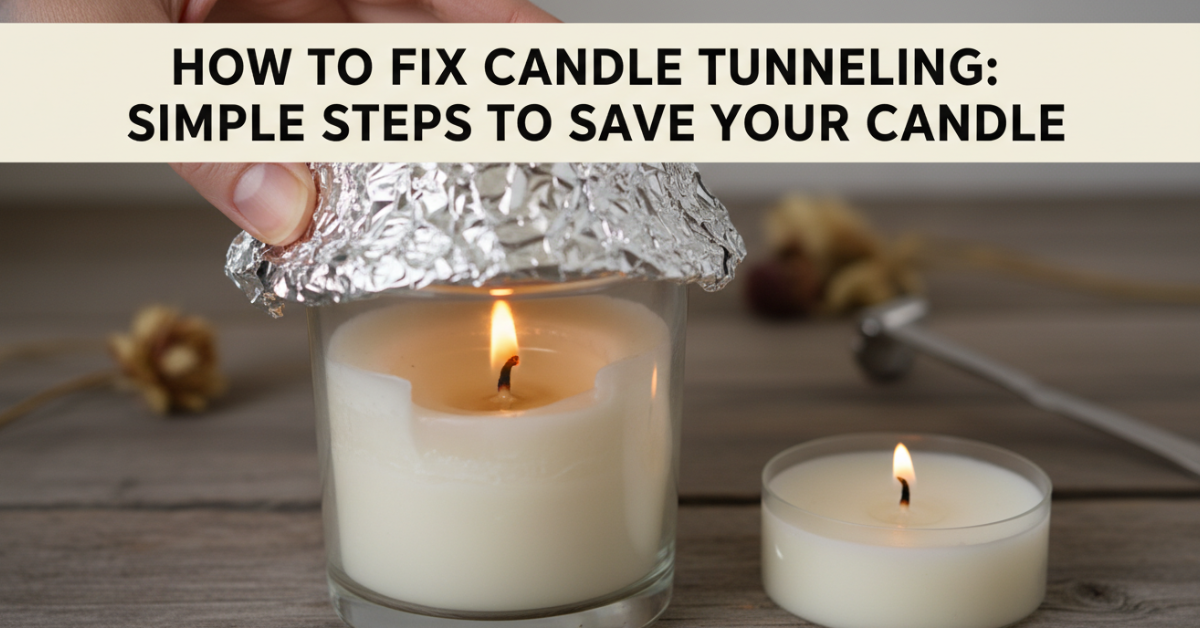
The aluminum foil method is one of the easiest ways to address candle tunneling. It works by trapping heat around the top of the candle, allowing the wax near the edges to melt and catch up with the center.
First, light the candle and allow it to burn for several minutes. Cover the top of the jar with a piece of aluminum foil, making sure there is a small hole in the middle to let the fire through. Leave it burning for an hour or two, based on the extent of the tunneling. Heat will help make the hardened wax softer.
This method is popular because it requires very little effort and often produces noticeable results after a single session.
If the tunnel is deeper, a heat gun or hair dryer may help level the wax surface more quickly. These tools allow you to apply heat directly to the hardened wax around the edges of the candle.
Move the heat source around the surface slowly until the wax starts to melt evenly. Do not concentrate heat on one spot, as too much heat can cause damage to either the receptacle or the wick. When you have ensured that the surface is even, let the wax cool off completely.
This method is especially useful for candles that have developed significant tunneling and need a more direct solution.
For severe cases, removing some of the wax around the tunnel may be necessary. Using a spoon or similar tool, gently scrape away a small amount of hardened wax from the edges. This lowers the wax wall and allows the flame to reach a larger area during future burns.
Care should be taken not to damage the wick during this process. After removing the excess wax, light the candle and allow it to burn long enough to form a full melt pool. While this method requires more effort than the others, it can be effective when tunneling has become difficult to correct through heat alone.
Preventing candle tunneling is usually much easier than fixing it later. One of the biggest mistakes people make is blowing out a candle too soon during the first burn. When you light a new candle for the first time, let it burn long enough for the melted wax to reach the edges of the container. This helps create an even burn pattern and can reduce the chances of tunneling in future uses.
It’s also a good idea to trim the wick before lighting your candle. A properly trimmed wick produces a steadier flame, which helps the wax melt more evenly. Small details like this can make a noticeable difference over time.
Where you place your candle matters,s too. Burning it near a fan, open window, or air vent can cause the flame to flicker and burn unevenly. A calm, draft-free spot usually gives the best results.

The quality of a candle can influence how well it burns. A properly designed candle should have a wick that matches the size of the container and a wax blend that supports even melting. While user habits are often responsible for tunneling, a poorly made candle can make the issue more likely.
Many people also purchase candles as gifts because they are practical and thoughtful. Products such as gift candle bouquets have become popular for birthdays, celebrations, and seasonal occasions. Regardless of the style you choose, following proper burn practices will help ensure a better experience and a longer-lasting candle.
Candle tunneling is a frustrating problem, but it is usually fixable. Whether you use the aluminum foil method, apply gentle heat, or remove excess wax, there are several practical ways to restore an even burn. Understanding why candles tunnel can help you avoid the issue in the future, while simple habits such as creating a full melt pool and trimming the wick can keep your candles performing at their best.
The next time you notice candle tunneling, don’t assume the candle is ruined. A few small adjustments can often bring it back to life and help you enjoy every bit of wax that remains.
If you’re looking for candles that are designed for a cleaner and more enjoyable burn, it’s worth exploring the collection at BK Crafts. From hand-poured scented candles to unique candle bouquets, the brand focuses on quality ingredients, thoughtful craftsmanship, and fragrances that help create a warm and inviting atmosphere at home. With proper candle care, products from BK Crafts can provide a longer-lasting and more consistent burning experience.
Can tunneling in candles be fully repaired?
Yes, most of the time it can. If the tunnel is not too deep, one can correct the tunneling using tricks such as the aluminum foil method or even heat. Deep tunnels may require the removal of excess wax for the candle to burn normally.
How long should I burn a candle to avoid tunneling?
A good rule is to allow the wax pool to reach the edges of the container during each burn. The first burn is especially important because it helps establish the candle’s future burn pattern.
Can trimming the wick stop tunneling?
Yes, because a good-sized wick promotes even burning. The best practice for most candles is to trim the wick every time you light the candle.
Why does my candle keep tunneling even after I fix it?
The candle may not be burning long enough during each session, or environmental factors such as drafts may be affecting the flame. Reviewing your candle care habits can help prevent the problem from returning.
Does every candle exhibit tunneling when burned?
No, some candles are more likely to exhibit problems, such as tunneling,g compared to others. This depends on the candle type, wax used, and wick size.
